
Diabetic Retinopathy
Get comprehensive diabetic eye care to keep your vision clear and healthy.

Diabetic Eye Disease Care and Prevention
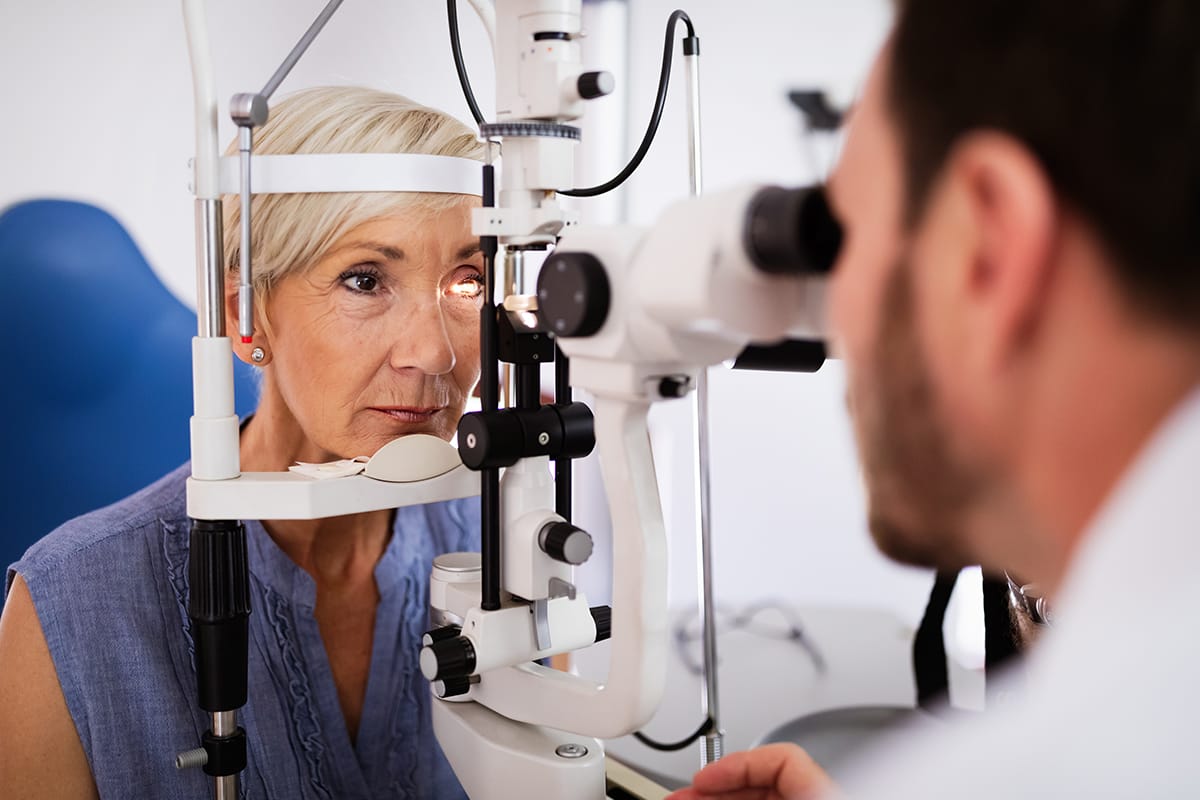
Diabetic retinopathy is a complication of diabetes that affects the blood vessels in the retina, the light-sensitive tissue at the back of the eye. Over time, high levels of blood sugar in individuals with diabetes can damage the small blood vessels in the retina.
Diabetic retinal disease can be divided into 3 main types:
Non-Proliferative Diabetic Retinopathy (NPDR):
In this early stage, the blood vessels in the retina may start to leak fluid or blood, leading to swelling and the formation of small deposits called exudates. This stage might not cause noticeable vision problems, but regular eye exams are crucial to monitor any changes.
Diabetic Macular Edema (DME):
This affects the central part of the retina (called the macula) responsible for sharp vision. In DME, high blood sugar levels damage the blood vessels, leading to fluid buildup and swelling which can cause blurry or distorted vision and, if left untreated, can progress to severe vision loss or even blindness.
Proliferative Diabetic Retinopathy (PDR):
In this advanced stage, the damaged blood vessels can cause the retina to grow new abnormal blood vessels, a process called neovascularization. These new vessels are fragile and can bleed into the vitreous, the jelly-like substance inside the eye, leading to sudden vision loss or the appearance of floaters. The growth of these abnormal blood vessels can also cause scar tissue formation, leading to retinal detachment and further vision loss.
Treatment Options
Treatment is matched to the stage of your disease — from lifestyle and monitoring in early retinopathy to injections, laser, and surgery for advanced disease. Explore each option:
Prevention & Early-Stage Care
Blood sugar and blood pressure targets, the best-studied diet and exercise, and every other proven way to lower your risk.
Learn moreAnti-VEGF Injections
Vabysmo®, Lucentis®, Eylea® HD, and Avastin® — in-office injections that dry swelling, regress abnormal vessels, and restore vision.
Learn moreLaser Photocoagulation
Panretinal photocoagulation (PRP) and focal macular laser seal leaking vessels and stop abnormal vessel growth.
Learn moreVitrectomy Surgery
For vitreous hemorrhage and tractional retinal detachment — removing blood and scar tissue to protect and restore sight.
Learn moreComprehensive Diabetic Eye Care
Receive outstanding diabetic eye care from the award winning ophthalmologists, all within a welcoming and personalized setting.
Advanced Diabetic Eye Imaging
We offer advanced techniques and state of the art equipment to diagnose even early signs of diabetic eye disease including: OCT, fluorescein angiography, and fundus ophthalmoscopy.
Latest In Diabetic Treatments
Intravitreal injections are used to treat diabetic retinopathy. At Eye MDs of Inland, we use Vabysmo®, Lucentis®, Eylea® HD, and Avastin® to treat diabetic macular edema and proliferative diabetic retinopathy. These medications are injected directly into the eye to address abnormal blood vessel growth and swelling in the retina. There are also laser treatments which can reduce retina swelling and bleeding.
How to Prevent Diabetic Eye Disease
Taking care of your health is the best way to avoid diabetes-related eye problems. Managing your blood sugar and controlling blood pressure and cholesterol can help prevent damage to blood vessels. Your eye doctor may have additional recommendations to stop disease progression and protect your vision.
Important Factors In Diabetic Eye Care
Perhaps the most important factor in diabetic eye care is prevention and regular care. With early detection of disease, your Eye Doctor can formulate a plan to prevent scar tissue, retinal detachments, bleeding and vision loss.
Laser Therapy For Diabetic Retinopathy
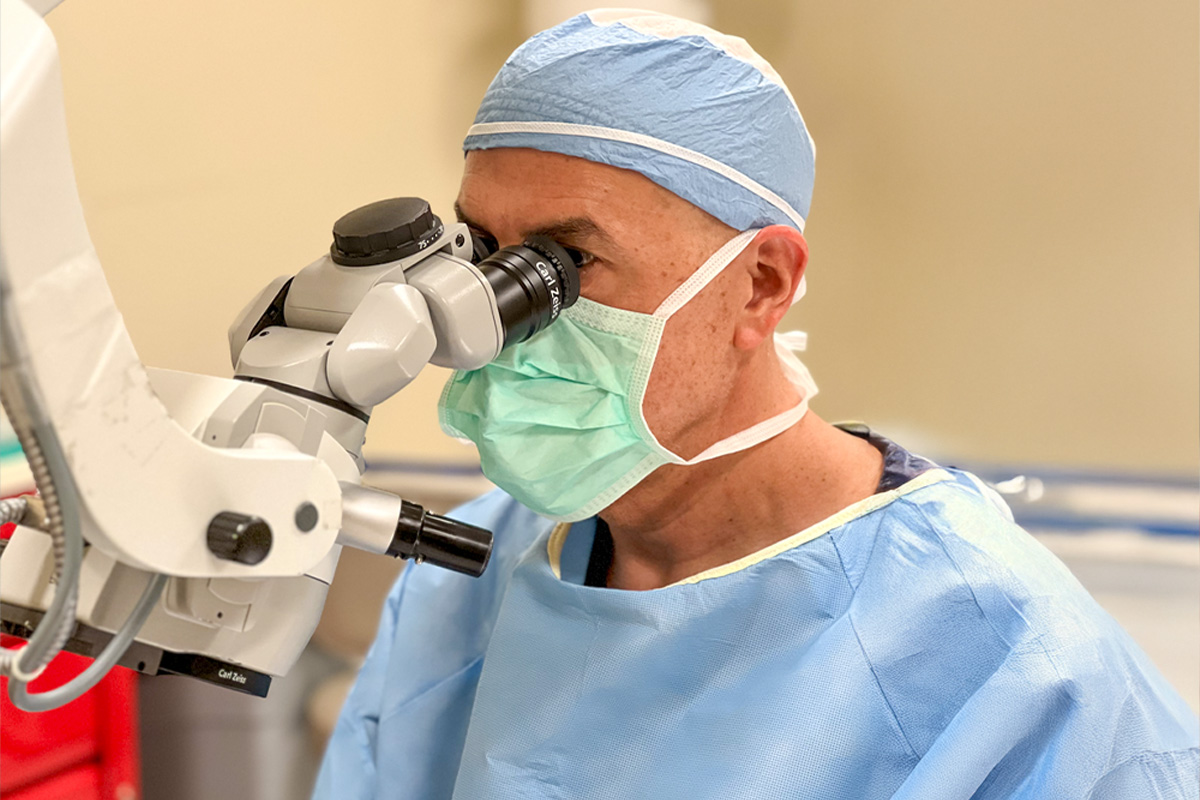
Laser treatment for diabetic retinopathy involves using a focused beam of light to target specific areas of the retina. It is commonly used to treat two main types of diabetic retinopathy issues: macular edema (swelling of the central part of the retina) and proliferative diabetic retinopathy (growth of abnormal blood vessels). The laser’s thermal energy can seal leaky blood vessels, reduce abnormal vessel growth, and help prevent further damage to the retina.
Laser treatment can be of two main types:
Focal Laser Treatment:
This targets specific leaking blood vessels in the macula (central part of the retina). It helps reduce the swelling and prevents further leakage, which can improve vision in cases of macular edema.
Panretinal Photocoagulation (PRP):
PRP is used to treat proliferative diabetic retinopathy. It involves applying laser spots to the peripheral areas of the retina. This helps to reduce abnormal blood vessel growth and shrink existing abnormal vessels, preventing complications like retinal detachment.
Laser treatment is typically performed as an outpatient procedure and doesn’t require an overnight stay. While it can effectively manage diabetic retinopathy and prevent vision loss, it’s important to note that it might not fully restore vision that has already been lost. Regular follow-up appointments with an eye specialist are essential to monitor the condition and determine if further treatments are needed.
Diabetic Retinopathy Treatments
Our Eye MDs (ophthalmologist) focus on long-term eye health and work to improve or maintain your vision. Many problems do not appear until the later stages of life and require thorough care to resolve or manage them. We conduct comprehensive eye exams to monitor and detect the early signs of eye diseases.
Eye MDs of Inland addresses adult optometric and ophthalmologic concerns, including the following:
Dry Eye
Red Eye
Glaucoma
Cataracts
Diabetic Eye Care
Macular Degeneration
Pterygium & Pinguecula
Eyelid Surgery
Diabetes also dries the eye: reduced corneal sensation and nerve damage lower tear production. Read systemic diseases and medications linked to dry eye or visit our Dry Eye Center.
Expert Care for Every Eye Condition
Select the accomplished specialists at Eye MDs of Inland to fulfill your every eye care requirement. Our team members have received accolades and recognition for their exceptional skills. They have undergone training at the renowned Jules Stein Eye Institute at UCLA and currently serve as instructors at the esteemed Keck School of Medicine at USC. Your eyes will receive top-tier care from our highly qualified professionals.