
When Is It Really Time for Cataract Surgery?
Or… When Is a Cataract “Ripe”?
By: Marc Shomer, MD PhD
Board Certified Ophthalmologist and Vision Surgeon
Clinical Instructor of Ophthalmology at USC Doheny Eye Institute
“If you can still read the eye chart… but night driving feels terrifying, and glare controls your life—your cataract may already be affecting you more than you realize.”
Many people believe cataract surgery is only needed once their vision becomes bad enough—usually meaning they can no longer read the eye chart at the doctor’s office.
But in real life, visually significant cataracts often show up long before the eye chart fails. And understanding when cataract surgery makes sense requires looking beyond letters on a wall.
In this article, we’ll explain:
- How cataract surgeons really decide when surgery is appropriate
- Which symptoms matter most
- What doctors actually look for
- And when it’s reasonable to wait—or time to have a conversation
The Biggest Cataract Myth: “I Can Still Read the Chart”
One of the most common misconceptions about cataracts is this:
“If I can still read the letters, my cataract must not be bad yet.”
Eye charts measure sharpness under perfect conditions:
- High contrast
- Bright lighting
- No glare
Real life doesn’t work that way.
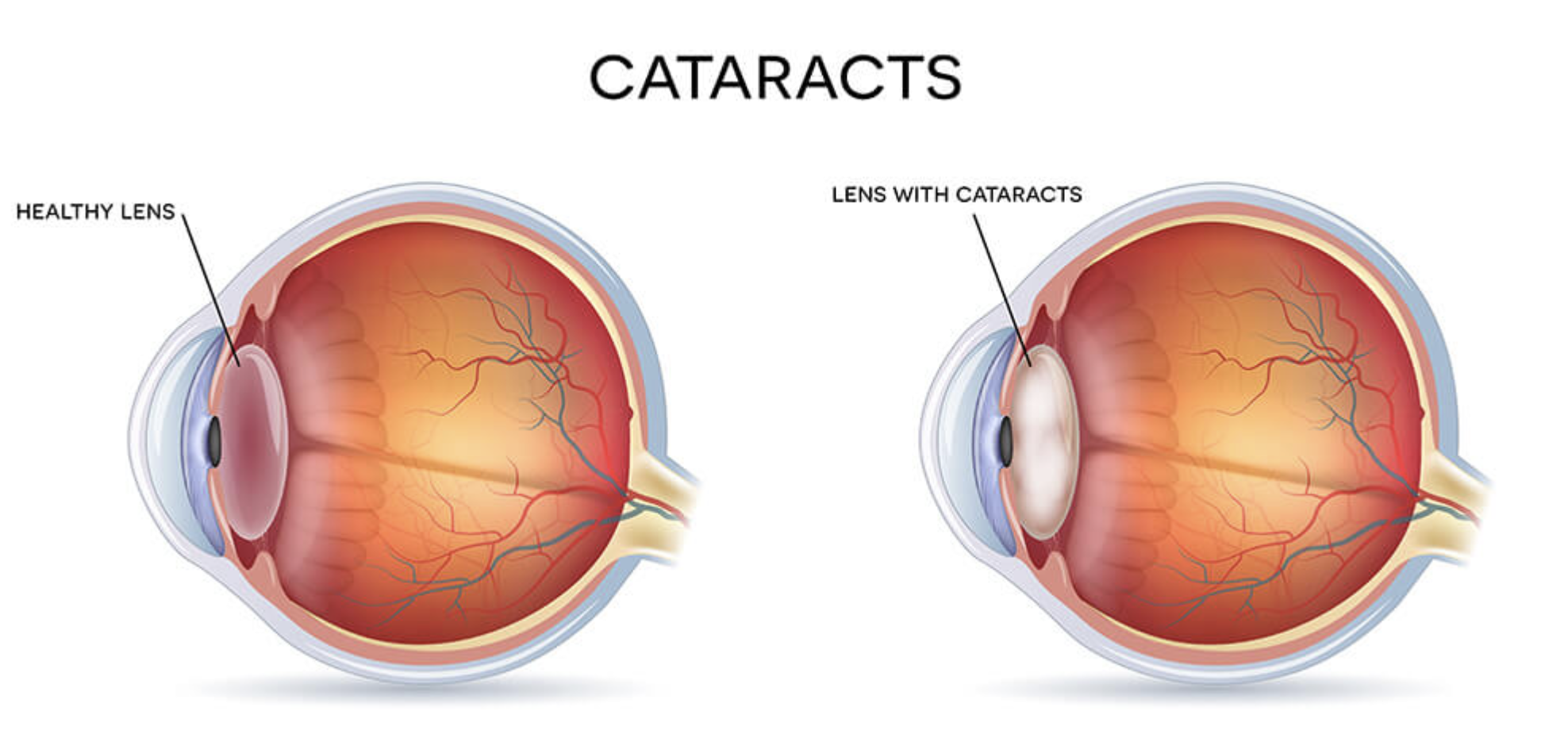
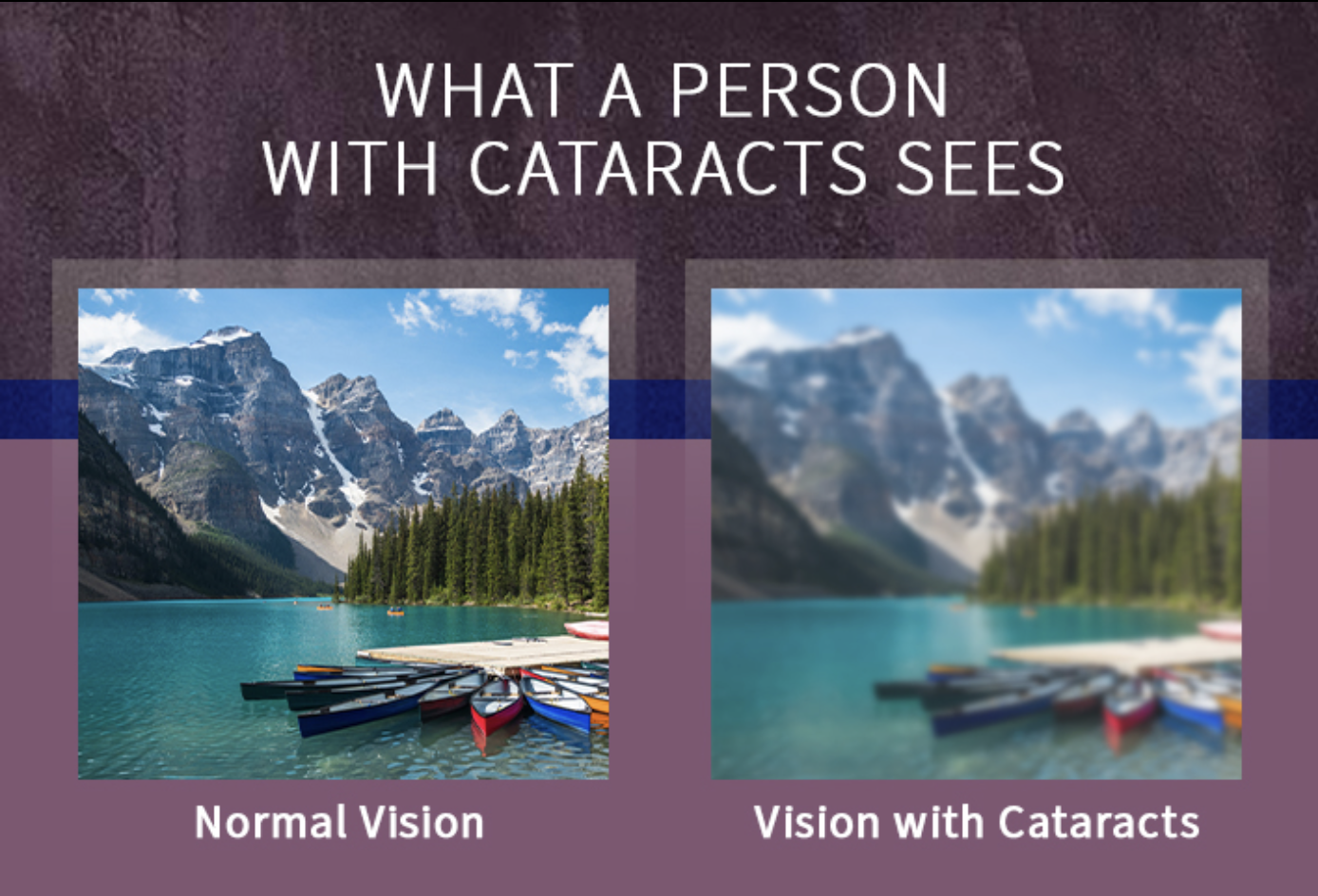
Cataracts scatter and distort light, which leads to:
- Reduced contrast sensitivity
- Increased glare
- Halos around lights
- Poor depth perception

That’s why many people pass the eye chart but still struggle in everyday situations—especially driving, reading in dim light, or being outdoors at night.
Cataracts affect how you see, not just what line you can read.
Because cataracts usually develop slowly, many people don’t realize their vision has changed at all—they simply adapt.
Night Driving: One of the Earliest Warning Signs
One of the most common complaints we hear is:

“I see fine… I just don’t like driving at night anymore.”
Headlights feel blinding.
Lights flare or streak.
Everything feels harder to focus on.
Many patients don’t think of this as a vision problem. Instead, they quietly change their habits:
- Avoid driving after dark
- Stop going out at night
- Limit activities without realizing why
This isn’t a personal failing—it’s your visual system compensating for a cataract.
“My Glasses Must Be Wrong” (Usually, They Aren’t)
Another very common frustration is:

“My optometrist didn’t make my glasses right.”
In reality, the glasses are often perfectly accurate.
The issue is that cataracts prevent light from focusing cleanly, so even the best prescription can’t fully sharpen vision. Over time:
- Each new pair of glasses helps less
- Vision feels dull or hazy
- Contrast never quite looks crisp
Rechecking the prescription is reasonable. But when new glasses still don’t help, a complete eye examination is essential to determine whether cataracts—or another eye condition—are the cause.
When Cataracts Start Affecting Safety and Independence
This is where cataracts move beyond inconvenience.
Visually significant cataracts can affect:
- Balance
- Depth perception
- Confidence in unfamiliar environments
People may misjudge:
- Steps or curbs
- Uneven ground
- Changes in lighting
Some begin avoiding new places altogether.
This isn’t about vanity.
It’s about independence, mobility, and confidence—all of which are closely tied to overall health and quality of life.
In addition, cataract surgery lowers the risk of developing dementia, improves cognitive scores, and reduces the risk of falls and hip fractures.
When “Waiting” Stops Being Helpful
Cataracts almost never require emergency surgery.
And they do not improve on their own.
Waiting is completely reasonable—until vision changes begin shrinking daily life.
Waiting too long can mean:
- Surgery becomes technically more difficult
- Vision loss quietly limits independence
- Safety risks increase
The goal is balance:
- Not rushing into surgery
- Not ignoring meaningful symptoms
What Cataract Surgeons Actually Look At
Cataract surgery is a shared decision, not a number on a chart.
We consider:
- How vision affects your daily activities
- Safety concerns
- Overall eye health
- Your goals and lifestyle
No one should feel rushed into surgery.
And no one should feel dismissed when vision changes are real.
What This Does Not Mean
Needing cataract surgery does not mean:
- Your eyes are failing
- Surgery is urgent tomorrow
- Glasses failed you
Cataracts are a normal part of aging.
Surgery is simply a way to restore clarity when vision begins interfering with life.
The Takeaway
Cataract surgery isn’t about a number on an eye chart.
It’s about:
- Comfort
- Confidence
- Safety
- Independence
If vision changes are limiting what you do, it’s worth having a thoughtful conversation with your eye doctor.
If symptoms are mild, waiting can be completely reasonable.
If you’d like to understand why vision matters beyond just seeing clearly, we recommend exploring our article where we discuss the connection between vision, brain health, and dementia risk.
As always, feel free to reach out with questions.