
A stye or chalazion often feels like a tender, swollen lump on the eyelid, sometimes causing redness, irritation, or a heavy sensation that can interfere with blinking or vision. While many improve on their own, persistent or painful lesions benefit from expert evaluation. Dr. Shomer and Dr. Gunzenhauser provide personalized treatment ranging from medical therapy and in-office procedures to long-term eyelid care to relieve symptoms and prevent recurrence.
Stye or Not? When an Eyelid Bump Isn’t Normal

What is a Stye or Chalazion
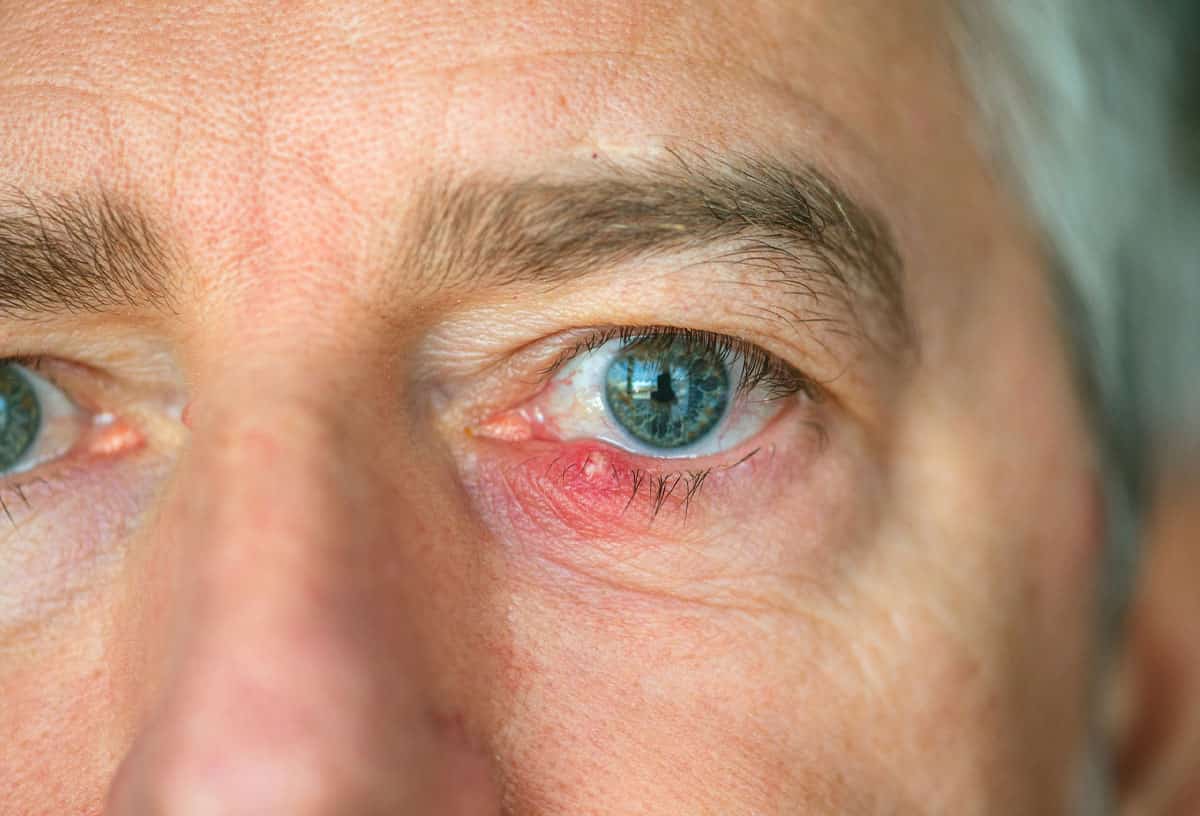
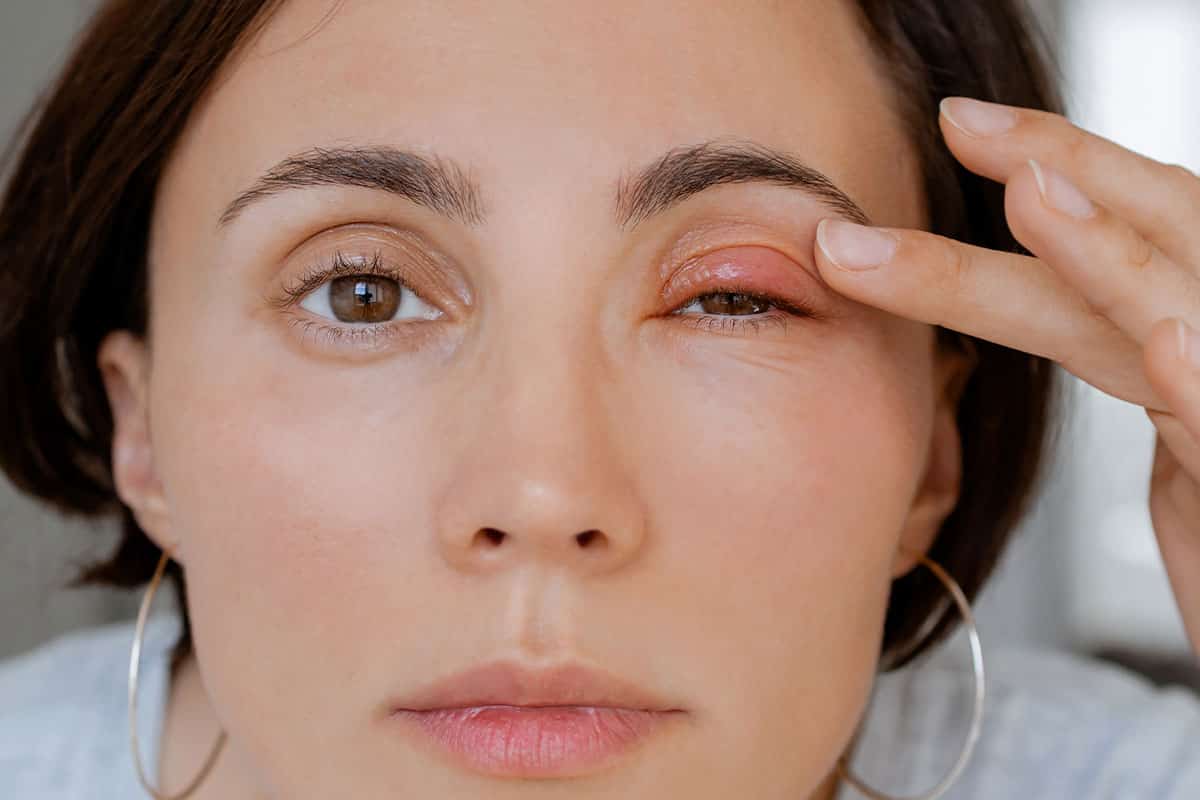
A stye (hordeolum) or chalazion is a localized bump on the eyelid caused by blockage and inflammation of the eyelid’s oil glands.
A stye is usually red, tender, and related to an acute infection near the eyelashes, while a chalazion forms deeper in the eyelid and is typically firm and less painful.
Signs and Symptoms of a Stye or Chalazion
- Localized bump or swelling on the upper or lower eyelid
- Redness and inflammation of the eyelid
- Tenderness or pain (more common with a stye)
- Firm, painless lump that develops gradually (more common with a chalazion)
- Eyelid heaviness or drooping
- Sensation of something in the eye (foreign-body sensation)
- Increased tearing or watery eye
- Mild blurred vision if swelling presses on the eye
- Crusting along the eyelid margin, especially on waking
- Sensitivity to light in more inflamed cases
A stye (hordeolum) is an acute, localized infection of an eyelid oil gland or eyelash follicle, usually caused by bacteria. It typically appears as a red, swollen, and painful bump near the edge of the eyelid and may resemble a small pimple.
A chalazion is a non-infectious inflammatory lump caused by blockage of a deeper oil (meibomian) gland in the eyelid. It usually develops more slowly than a stye, feels firm, and is often painless, though it can cause swelling or blurred vision if it becomes large.
What Causes a Stye and a Chalazion
A stye or chalazion develops when an eyelid oil gland becomes blocked, leading to inflammation and swelling. A stye involves an acute bacterial infection, while a chalazion is usually a non-infectious inflammatory reaction to trapped oil.
Common causes and risk factors include:
- Blocked oil (meibomian) glands in the eyelid
- Facial Rosacea
- Chronic eyelid inflammation (blepharitis)
- Desmodex buildup at the opening of the oil glands
- Meibomian gland dysfunction (thick or poor-quality oils)
- Skin conditions such as rosacea or seborrheic dermatitis
- History of recurrent styes or chalazia
- genetic risk factors
- hormonal changes
How is a Stye and Chalazion treated?
Treatment Options for a Stye and Chalazion
Treatment depends on the size, duration, and severity of the eyelid lesion, and is tailored to relieve symptoms, resolve inflammation, and prevent recurrence.
Medical (Conservative) Management
- Warm compresses applied for 10–15 minutes, 3–6 times daily to unblock oil glands
- Gentle eyelid hygiene and lid scrubs, especially in patients with blepharitis
- Topical antibiotic ointment or drops for an active or infected stye
- Anti-inflammatory medications when indicated
Oral Antibiotics
- Used selectively for recurrent styes, significant eyelid inflammation, or associated skin conditions such as rosacea
- Helpful when infection extends beyond a single gland or does not respond to topical treatment
Minimally Invasive In-Office Procedures
- Steroid injection to reduce inflammation and shrink a persistent chalazion
- Very small, targeted incision and drainage performed from the inside of the eyelid
- No visible external scarring and typically rapid symptom relief
- Performed quickly in the office with local anesthesia
- Most patients improve without surgery, but persistent or recurrent lesions benefit from expert evaluation to ensure proper treatment and rule out other eyelid conditions.
Protect Yourself From Recurrent Styes and Chalazion
Preventing recurrent styes and chalazia focuses on treating the underlying eyelid disease that causes oil glands to clog in the first place. When the root cause is addressed, future flare-ups become far less common.
- Xdemvy (lotilaner ophthalmic solution) targets Demodex mites, a common but often overlooked cause of chronic eyelid inflammation and recurrent styes. By eliminating mites and their debris, Xdemvy reduces gland blockage and ongoing irritation that predispose patients to repeat infections and chalazia.
- LipiFlow® thermal pulsation treats meibomian gland dysfunction by gently heating and expressing blocked oil glands. Restoring healthy oil flow improves tear film quality and prevents the thickened secretions that lead to chalazion formation.
- Topical antibiotics help reduce bacterial load along the eyelid margin, particularly in patients with blepharitis or frequent styes. This lowers the risk of acute gland infections.
- Oral antibiotics (often with anti-inflammatory properties) are used in select patients with recurrent disease, rosacea, or significant gland inflammation to stabilize the eyelids long term.
- Eyelid debridement and deep lid cleaning remove hardened oils, bacterial biofilm, and debris at the gland openings. This improves gland function and enhances the effectiveness of other treatments.
By combining targeted therapies like Xdemvy, LipiFlow, medications, and in-office eyelid care, ophthalmologists can treat the underlying causes—not just the bump—significantly reducing the risk of recurrence.
